
How can you uncover the root cause of alcohol addiction? Do you really need to identify this root cause? While it is possible to quit drinking without understanding the underlying reasons for your behavior, doing so can lead to a more harmonious sobriety and significantly improve your quality of life. Recognizing the root cause not only aids in quitting alcohol but also facilitates personal transformation.
To effectively address any issue, including addiction, it’s essential to maintain the right focus. By identifying the root cause, you can build effective systems and strategies to tackle the addiction at its source. In this article, we will explore a specific method to help you uncover your root cause of addiction. The best part? This method is entirely free, and you likely already use it in your daily life.
Addiction 101
How can we identify the root cause of alcohol addiction? To do so, we must first grasp the fundamental principles of addiction. Let me ask you a question: Do you believe you drink primarily for pleasure? If your answer is yes—like many people might instinctively respond—allow me to offer a different perspective. Addiction isn’t fundamentally about pleasure. While you may experience pleasure, it often serves to mask or reduce underlying pain.
The most fundamental law of human nature is that we, as humans, instinctively seek to avoid pain more than we seek to gain pleasure. This principle holds true in the realm of addiction as well; pain is a primary driving force behind addictive behaviors. But what exactly is this pain? It often stems from trauma. In fact, addiction can be understood as 80% trauma and only 20% behavior.
When we shift our focus from the addictive behaviors themselves to the underlying trauma, we can make significant strides in our journey toward sobriety. Now, let’s delve into the basics of trauma to better understand its impact on addiction.
Trauma 101
What is trauma? Is it some horrible event that happened to us, or what it is?
Trauma is not what happens to you. Trauma is what happens inside you as a result of what happens to you. -Gabor Mate
Trauma is not merely an external event; it is an internal wound shaped by our interpretations of what happens to us. In the realm of trauma, how we interpret an event often matters more than the event itself. This might sound surprising, but it’s profoundly true. Consider small life events—like being berated by someone or losing a friend. Fundamentally, these events are neutral, yet we label them as negative or positive. We might internalize these experiences, telling ourselves, “There must be something wrong with me because someone criticized me,” or “I must be unworthy since my friend left me.”
In this process, it’s not the event itself that inflicts the most damage, but our interpretation of it that shapes our self-worth and self-image. That is where the real trauma lies. Even in more severe cases, such as childhood abuse or violence, the acts themselves do not define the trauma. Instead, it is the beliefs we adopt afterward—like “I deserve to be abused” or “I am unworthy”—that create deep emotional wounds. These interpretations distort self-image and worldview, fostering an environment where addictions can thrive. In essence, trauma often marks the beginning of the life of an addict. Behavior is merely a manifestation of addiction; the true addiction resides within a person’s psyche. Addiction is essentially a mindset, and trauma plays a pivotal role in establishing that mindset, leading to substance use or other forms of addiction. When you delve deeper into the nature of addiction, the specific substances used become less relevant, as the root of the issue lies far beneath the surface of behavior.
Last words about trauma
Before we proceed, it’s important to note that trauma doesn’t only stem from horrific events; it can also arise from a lack of positive experiences. As humans, our basic needs must be met, and when they aren’t—such as a lack of love or support during childhood—those deficiencies can be traumatic. Trauma reflects past events that influence our present, causing us to relive those experiences. The nervous system plays a crucial role in this process; when we experience trauma, our nervous system becomes hypervigilant, operating in a constant state of fight or flight. This raises an important question: can we really be surprised if we turn to alcohol when we’re operating from a state of heightened stress and anxiety? It’s a normal reaction.
I hope this provides you with a greater understanding and acceptance of your addiction, as this environment is where sobriety can naturally flourish. Importantly, I want to emphasize that I’m not suggesting that trauma is your fault. While our interpretations play a role in how we experience trauma, my intention is not to place blame. Rather, I aim to help you understand how to break free from the chains of trauma. Much of our trauma originates in childhood, a period when our perceptions are heavily influenced by our interactions with our parents and our environment. At that stage, we often lack the ability to choose how we interpret events. As children, we often internalize negative experiences, leading us to believe that there is something wrong with us when bad things occur. However, the good news is that as adults, we have the power to reframe those interpretations, allowing us to cultivate a mindset that supports sobriety and personal growth.
The secret of interpretation
I am addicted not solely because of the events themselves, but due to my interpretation of those events. It might sound absurd, or you might be wondering what I’m talking about. I understand it seems unusual, so let’s explore the realm of interpretation more deeply to gain a clearer understanding.
What do we mean by interpretation? It’s how we perceive and label events, and more specifically, it’s the language we use to express those events. In its simplest form, it can be thought of as sound. It may sound silly to say, “I’m addicted because of a sound,” but if you break it down further, that sound—the language we use—plays a significant role in our addictions. There’s even a saying that the universe was created through sound, highlighting its profound impact. Therefore, we shouldn’t underestimate the power of sound. When used appropriately, it can work like magic.
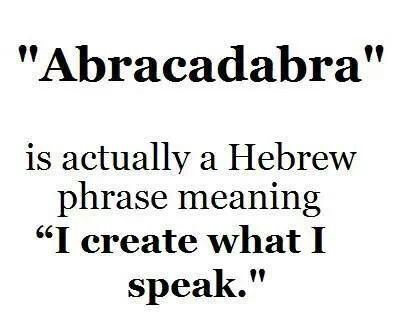
The language that shapes this sound is why I felt compelled to write this article; it’s central to our discussion. Language serves as both the key and the lock—it can imprison us or liberate us. Have you ever seen a magician in a movie utter the word “abracadabra”? Interestingly, the Hebrew translation of “abracadabra” is “I create as I speak.” Take a moment to let that sink in. This highlights the incredible power of words and how they influence our reality.
What Bible can teach us about words?
The words you use are truly magical; you can transform mere sound into tangible reality. There’s a powerful verse in the Bible that illustrates this concept: “In the beginning was the Word, and the Word was with God, and the Word was God. He was with God in the beginning. Through Him, all things were made; without Him, nothing was made that has been made. In Him was life, and that life was the light of men.”
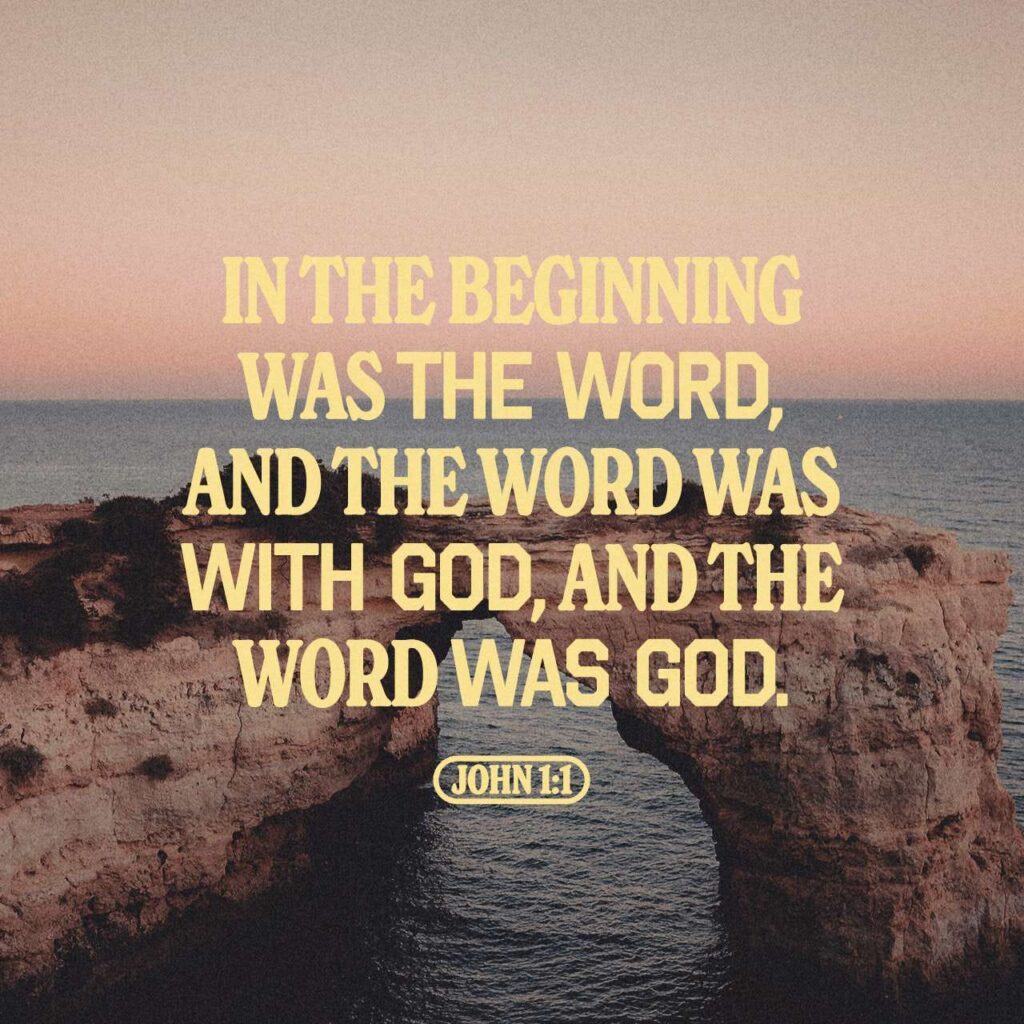
Many people reflect on this biblical verse as a commentary on the creation of the universe, but it extends far beyond that—it speaks to the creation of you. Each day, you create with your words. In fact, who you believe yourself to be is shaped by the words that form this sound; yet the true essence of who you are transcends these sounds and words.
Consider this: when asked to define themselves, people typically respond with their names and descriptions of their personalities or lifestyles. But are we merely those things? No! The real you exists beyond these labels and expressions. You are the awareness that observes everything. You are not defined by your addiction; rather, you are the observer of it. When we detach our identity from our problems, we gain a better opportunity to overcome them.
You have the power
Furthermore, just as God uses sound to create the universe, you have the power to use your words to shape your reality because the Word is divine—it is the creator. Remember, there are two ways to use your words: vocally and internally through thought. If you truly grasp this concept, you can uncover the roots of your addiction and begin to break free from it, starting right now. That’s the incredible power of language.
Life presents us with various events, but these events don’t ultimately define us. Instead, it’s the language we use to express them that transforms life events into emotions. These emotions shape our state of being—and that state dictates 75% of your life, if not more. Language is, in essence, a form of magic; it transmutes life experiences into emotions, and emotions can eventually manifest into reality. Destructive emotions can take the form of addictions. How astonishing is that? We often find ourselves living in prisons of our own making.
The good news is that you can also create your own freedom. By learning to harness the power of language to your advantage, you can reshape your reality and step into a life of empowerment.
The principles of creating your own freedom
“Words are the wardrobe of the soul.” -Peter Crone
Now we have a pretty clear picture of this concept, but how we can put this everything work in our own lives? We have to understand some fundamentals of this concept.
Think about this: you have a psychological house where you live every day. We construct this psychological house with words and thoughts we use. Our state of being is a reflection of our psychological house. Addiction and sobriety are nothing more than a reflection of our psychological house. We just have to understand our current psychological house, and what we have to change in order to live in a state of sobriety. Remember, sobriety is not the way of living, but it’s a state of consciousness. Biggest obstacle to this concept? People think that it’s too simple to be true. “I said different words but why my life is not changing?” It is not just about changing the words but understanding the identity of who is behind the words. Let’s cover the process of how to do it.
Awareness
The first building block in this process is awareness. One of the most challenging aspects is becoming conscious of the language we use. Often, we are unaware of the words we choose, which can lead to experiencing a low mood without understanding the reason behind it. This is why one of the core concepts of Addiction Alchemy is cultivating massive awareness. Without this awareness, it’s difficult to enter a state where meaningful change can occur.
Massive awareness involves a deep exploration of yourself; it allows you to uncover new aspects of your identity. To cultivate this level of awareness, you can implement various systems and practices. Techniques such as meditation, journaling, and reading can significantly enhance your self-awareness and help you identify the language you use in your daily life. By raising your awareness, you pave the way for transformation and growth.
Identifying process
With proper awareness, we can initiate the process of identification. The way we use words can be surprisingly insidious. Phrases we believe to be positive can inadvertently foster low-level emotions within us, which may contribute to addictive behaviors. For example, when someone says, “This will be the last time I drink,” it might initially sound encouraging. However, this statement can evoke feelings of shame. By framing it this way, you’re essentially judging drinking as a negative behavior. When you judge behavior as bad, you inevitably judge yourself, and this judgment breeds shame. Shame creates the perfect environment for addictions to flourish.
This is why cultivating awareness is essential; we must recognize the thought patterns that lead to these low-level emotional states. Look for patterns that generate shame, diminish your self-esteem or foster feelings of inadequacy and guilt. For instance, phrases like “I’m not good enough” or “I failed again” can chip away at your confidence. Additionally, these addictive patterns often stem from thoughts and beliefs you’ve nurtured since a young age. The challenge is that many of these patterns reside in your unconscious mind, so the goal becomes turning the unconscious into conscious awareness.
To aid in this process, consider keeping a journal where you document your thoughts and feelings, particularly in relation to your habits and self-talk. Reflect on how these expressions affect your emotions and behaviors. It’s important to approach this journey with compassion, recognizing that awareness is the first step toward transformation. By bringing these patterns into the light, you empower yourself to break free from the chains of addiction and move toward a healthier, more fulfilling life.
Reframing
The final step is to learn how to reframe your life events. For instance, let’s consider someone who has lost a loved one. When this person states, “This person died” or “I lost this person,” it’s important to reflect on the psychological environment they create for themselves. Close your eyes and imagine the weight of those words. How does it feel to say that a loved one has died? Likely, it doesn’t feel good. The key lies in reframing the event to evoke different emotions. I’m not suggesting that you deny what happened, but rather encouraging you to create an amazing emotional state despite what happened. Instead of saying “someone died,” try “the person passed away.” These two expressions carry vastly different emotional weight.
When we say someone died, it implies finality and can leave us feeling trapped in suffering. In contrast, saying someone passed away evokes a sense of harmony and understanding. It also aligns more closely with the truth that energy cannot be destroyed; it can only transform. Death is not an end, but rather a transformation.
Another example of reframing could be in the context of a breakup. Most people might frame this event as “I lost this person,” but you can choose to see it as “This relationship was a step closer to finding the right one.” Although this may seem like a subtle shift, changing your language alters your reality and, more importantly, how you feel about that reality.
This is essentially the process: cultivating massive awareness, identifying your shortcomings, and reframing life events. Welcome to a new reality. This method is highly effective for breaking free from addiction as well. While developing massive awareness can be easier with the guidance of a coach or therapist familiar with these concepts, it is possible to do it independently as well. Awareness is often the most challenging aspect to achieve, but once you have it, navigating the path forward becomes much more manageable.
Conclusion
Was this article too deep when discussing alcohol addiction? I hope you haven’t shied away from these powerful concepts. Understanding these ideas is one way to uncover the root cause of alcohol addiction, but it’s important to note that it’s not the only approach—there are many paths to discovery.
When you grasp that the fundamental mechanism of addiction is often trauma, you can design systems to help heal those wounds. Trauma is not just an external event; it is an internal wound shaped by our interpretation of those events. Our thoughts and words construct our interpretations, ultimately building our psychological house. This psychological house influences our state of being, creating different experiences of addiction and sobriety.
By fostering massive awareness, we can learn to recognize and reframe our life events. This reframing has the power to transform our experiences into new emotions, paving the way for a healthier state of sobriety. We achieve this by adopting new language and perspectives regarding the events that shaped our addiction. In summary, this is the essence of what I’ve shared in this article. It may sound simplistic, but embracing this concept can lead to profound changes in your life.
Now, the choice is yours: how will you use this information?
I wish you all the best on your sobriety journey.